


 residential moving
Long-distance moving is a different undertaking than a local move. The logistics are more complex, the stakes for packing are higher, and the cost structure is different. For people leaving Ontario for another province, or moving to Toronto from elsewhere in Canada, understanding how the process works before you start will save you time, money, and a fair amount of frustration.
In this article
Planning timeline for a long-distance move
Long-distance moves need more lead time than local ones. Booking a reputable mover 6 to 8 weeks out is reasonable for most destinations. For peak summer weeks (late June through August), booking 10 to 12 weeks ahead gives you more options at better pricing.
The earlier planning tasks matter more here too. Notifying Canada Post, transferring provincial health coverage, updating your driver’s licence and vehicle registration for a new province, and closing or transferring utility accounts all take time and have their own lead times. Starting a checklist 2 months out rather than 3 weeks out makes a real difference in how controlled the process feels.
Did you know?
When you move to a new province, you typically have 90 days to transfer your driver’s licence and vehicle registration to the new province. Health card transfers vary: some provinces require a 3-month waiting period before provincial coverage kicks in, so it is worth checking the rules for your destination province before you move so you can arrange bridge coverage if needed.
How long-distance moving is priced
Long-distance moving is priced differently from local moves. Where local moves are hourly, long-distance moves are typically quoted by weight and distance, or by cubic footage and distance. This means the volume and weight of your shipment matters as much as how far it is going.
| Move size | Toronto to Calgary (est.) | Toronto to Vancouver (est.) |
|---|---|---|
| 1-bedroom / studio | $2,500 to $4,000 | $3,000 to $5,000 |
| 2 to 3 bedroom | $4,500 to $8,000 | $6,000 to $10,000 |
| 4+ bedroom | $8,000 to $14,000+ | $10,000 to $18,000+ |
Estimates only. Actual pricing depends on exact volume, services included, access conditions, and seasonal demand. Get a binding written estimate before booking.
Packing for a long haul
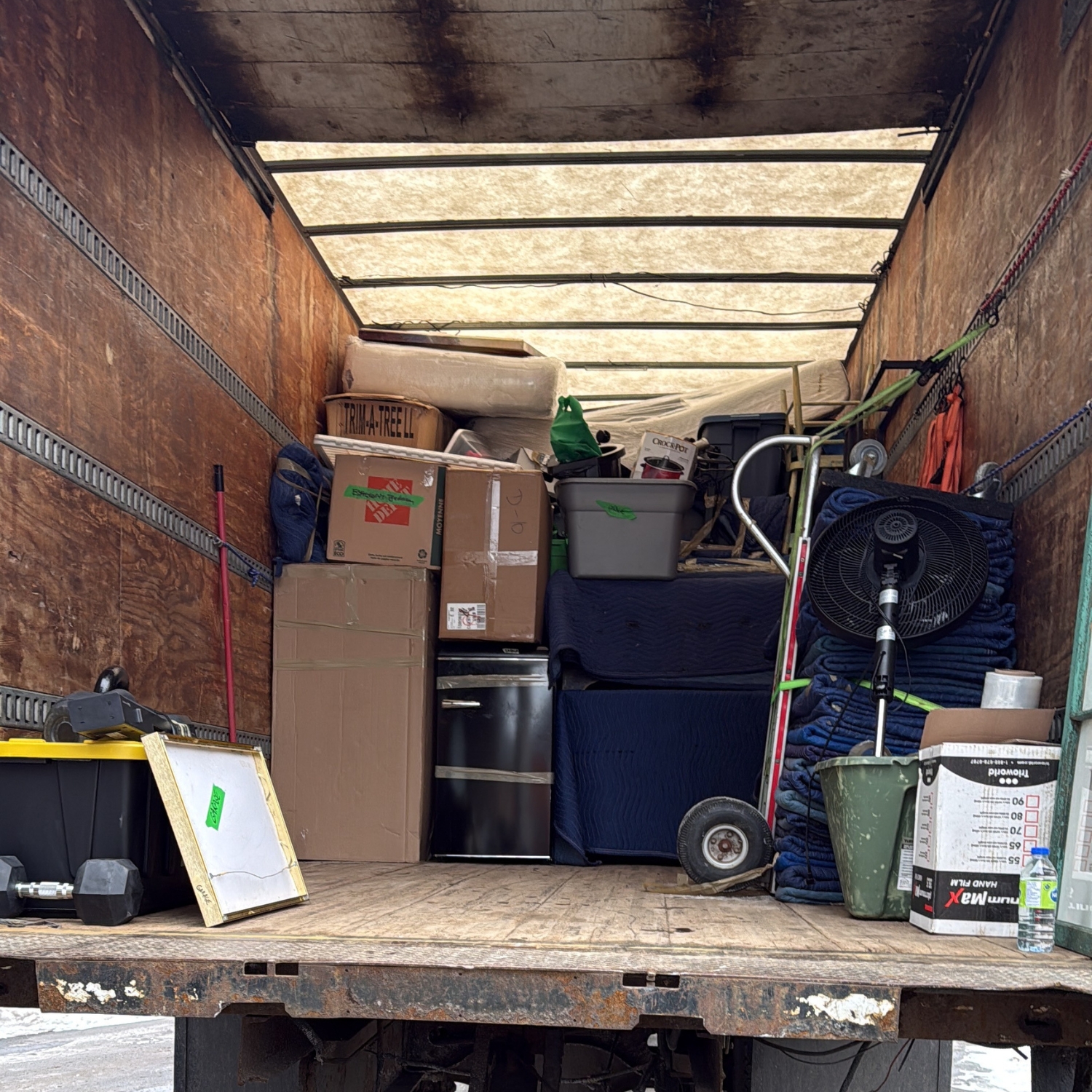
Items in a long-distance move spend a lot more time in the truck than on a local move, and they may be transferred between vehicles or handled multiple times. This means packing quality matters more. A box that would survive a 45-minute local move might not survive 4 days of road vibration and multiple loading cycles.
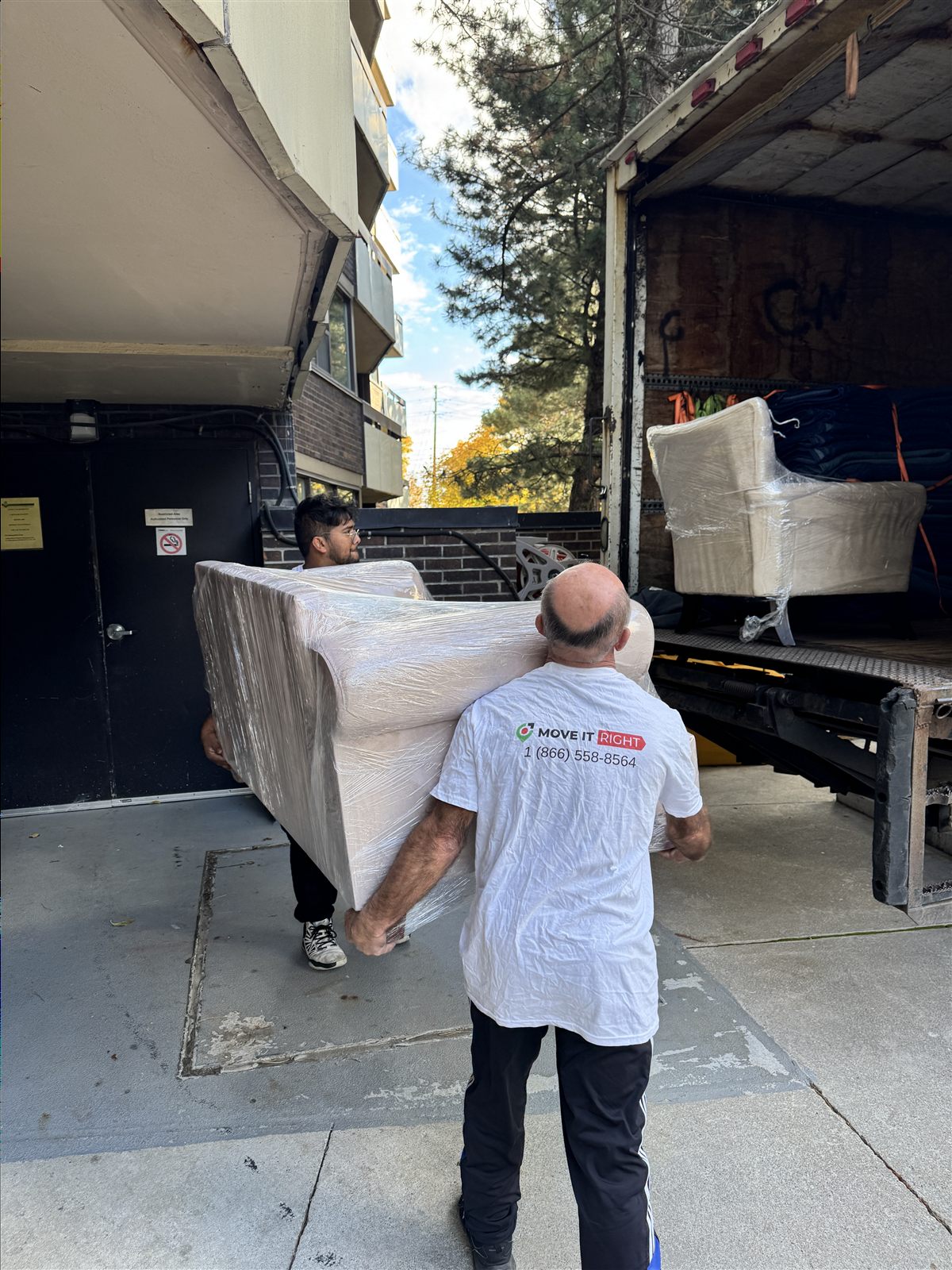
Double-boxing fragile items is worth the effort on a long-distance move. Use quality boxes rather than liquor store finds, and fill empty space in boxes with packing paper or foam to prevent items from shifting. Furniture pads and shrink wrap protect surfaces that would be fine unwrapped on a short move but pick up rubbing damage over a long haul.
Transit times and delivery windows
Most long-distance movers provide a delivery window rather than a specific date. For a Toronto to Calgary move, a typical window might be 5 to 10 business days. Toronto to Vancouver might be 7 to 14 business days. The actual delivery date depends on the truck’s route, volume, and conditions.
This means you need to plan your arrival at the destination with some flexibility. Having your essentials with you in your vehicle or checked luggage rather than in the moving truck means you are not sleeping on the floor waiting for a delivery that is 2 days later than the early end of the window.
People often ask: what is the difference between a binding and non-binding estimate?
A binding estimate is a fixed price: you pay the quoted amount regardless of whether the actual weight comes in higher or lower. A non-binding estimate is based on an estimated weight, and the final price is adjusted when the truck is weighed. For long-distance moves, a binding estimate gives you certainty and eliminates the risk of a larger bill at delivery. Most reputable movers will provide a binding estimate after doing an in-person or video walkthrough of your home.
Insurance and valuation coverage
Long-distance movers in Canada are required to carry liability coverage, but the standard released value protection is typically very low, often around $0.60 per pound per item. That means a 30-pound television worth $800 is covered for $18 under default coverage if it is damaged.
Full replacement value coverage is available from most movers as an add-on and is worth it for a long-distance move. You can also check whether your homeowners or renters insurance extends to items in transit. Many policies do provide some coverage for moves, but with limits and conditions. Understanding what you are actually covered for before the truck leaves is much better than finding out after something is broken.
Tips for a smoother long-distance move
Pro tip
Take photos and video of your furniture and valuable items before they are loaded. Walk through each room and document the condition of everything that matters. If a claim becomes necessary, having timestamped photos from before the move is far more useful than trying to recall condition after the fact.
- Get at least 3 written estimates and compare what is included in each, not just the price.
- Confirm whether your mover handles the full route or subcontracts to a carrier partway.
- Pack an essentials box or bag that travels with you: documents, medications, phone chargers, a few days of clothing.
- Confirm the delivery address, access details, and contact number for the receiving end with your mover before departure.
- Keep a copy of the bill of lading and your inventory list accessible during transit.
Frequently asked questions
How far in advance should I book a long-distance mover?
6 to 8 weeks is a reasonable minimum for most moves. For summer moves (June through August), book 10 to 12 weeks out if possible. Last-minute availability exists, but your options narrow and pricing tends to be higher.
Can I pack my own boxes for a long-distance move?
Yes, and most people do. The main consideration is that self-packed boxes are typically not covered by the mover’s insurance if damaged, since the mover has no way to verify the packing quality. If you self-pack, use quality boxes, fill them fully, and seal them properly. For high-value or fragile items, professional packing is worth considering.
Does Move It Right do long-distance moves across Canada?
Yes. We handle long-distance moves from the GTA to destinations across Canada. Call us at 1 (866) 558-8564 for a quote on your specific route and move size.
Move It Right handles long-distance moves from the GTA across Canada. Call us at 1 (866) 558-8564 or book a free quote online.
Planning a cross-Canada move?
Everything above is the planning side. When you are ready to price the move itself, our long-distance moving services page sets out how a cross-country route is quoted, which is per job rather than at the hourly local rate, and what drives the number.
We run regular routes from Ontario to Vancouver, Calgary and Halifax. If your delivery date lands after your pickup date, storage in transit covers the gap, and insurance explains the coverage that applies while your belongings are on the road.