


 residential moving
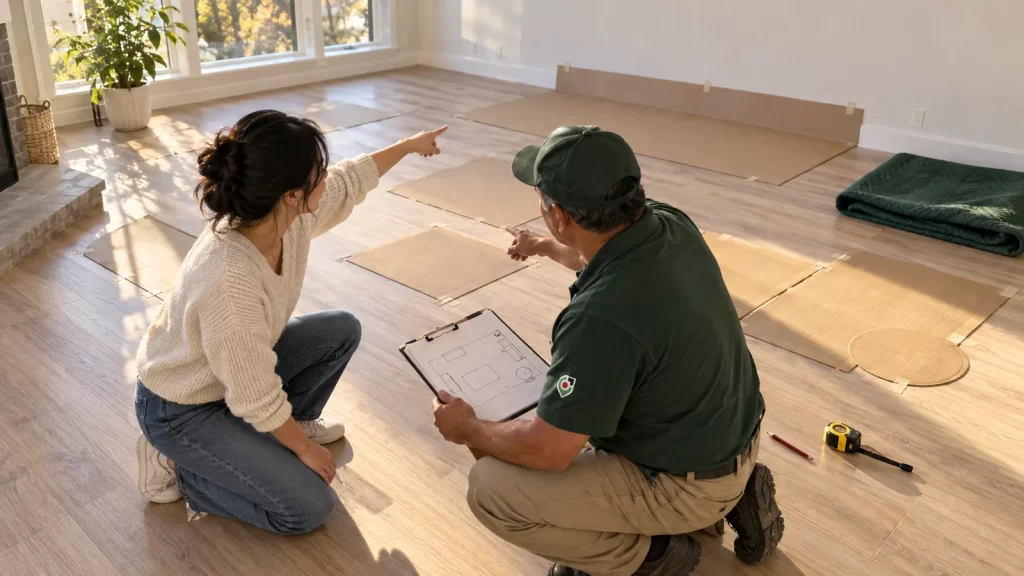
When moving into a new home, deciding where the sofa or bed belongs while the moving truck is idling creates unnecessary delay. Creating a furniture placement plan before unloading settles placement questions early, saving time and preventing heavy items from being moved twice.
A functional plan can be a simple floor sketch paired with an organized checklist. It guides the crew on where large items belong, which direction they should face, and how to maintain clear pathways throughout the home.
Decide What Each Room Needs to Do
Start by evaluating everyday room use. Decide which bedroom will be used on the first night and where home office equipment needs to be set up. Defining room functions gives every large piece a clear target location before unloading starts.
Label rooms according to their function in the new layout rather than their past use. If a desk from a previous bedroom is moving to a den, label it “Den.” Clear labeling helps movers deliver items straight to their intended spots.
When organizing support for your household relocation in Toronto, use straightforward identifiers like “Front Bedroom” or “Main Bedroom.” Ensure these same names are used across your room sketches, inventory lists, and box labels.
In open-concept layouts, outline distinct zones on your layout drawing. Adding simple notes like “Dining table near kitchen opening” gives clear direction without requiring constant oversight.
Check the Route as Well as the Footprint
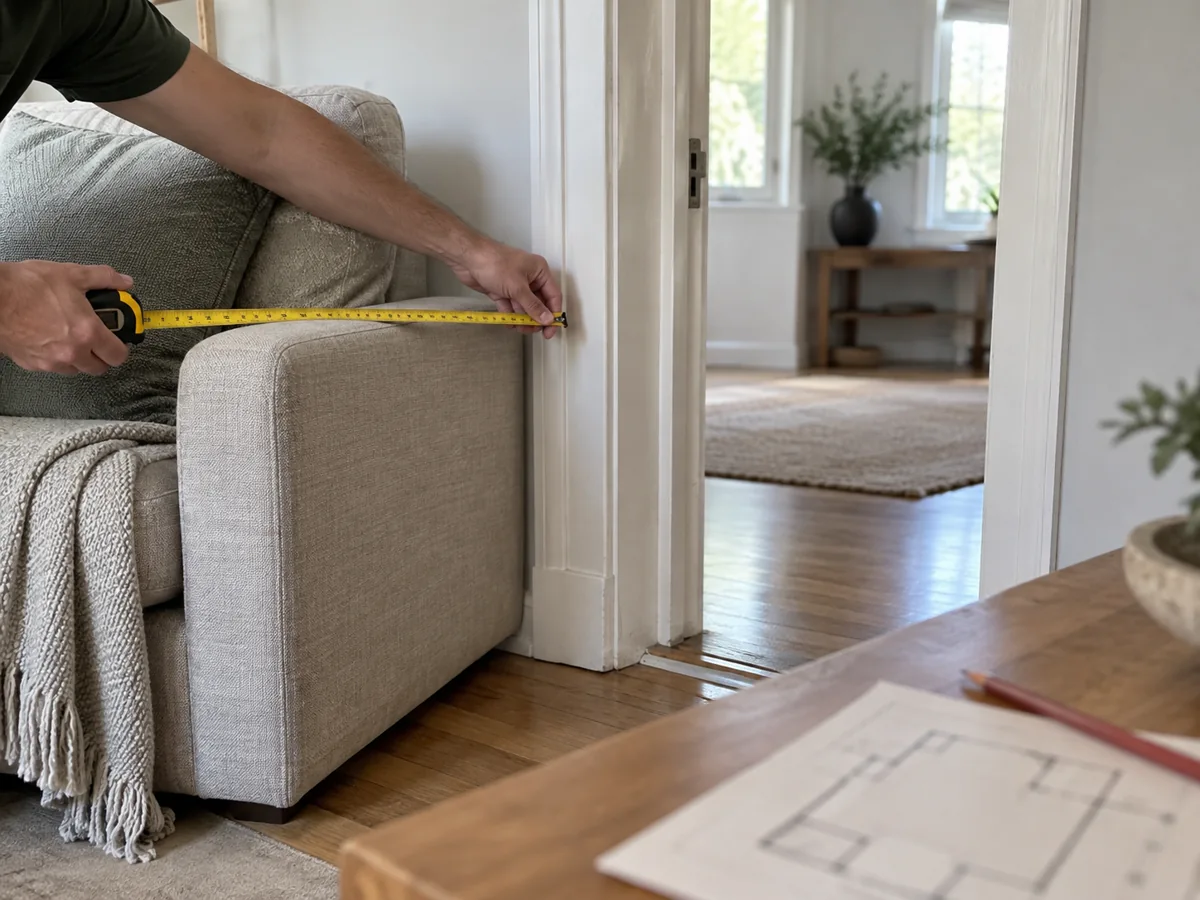
Knowing an item’s dimensions is only part of the process; it must also fit through entryways, hallways, and stairwells. Measure the length, width, and height of large furniture items, then verify clearances along the entire entry route.
Note potential obstacles on your sketch, such as tight hall corners, overhead light fixtures, low banisters, or narrow door frames. Sharing these details with your moving team early helps prevent delays during offloading.
Account for architectural details like protruding radiators, deep window sills, or door swings. Measuring these elements in the actual space provides a more accurate path assessment than relying on builder floor plans.
For high-rise moves, confirm elevator dimensions and reserve access times with building management. Reviewing our guide on coordination for moves into condo buildings can help streamline logistics on moving day.
The Home Depot video below offers a general look at preparing belongings for a move. Use it alongside the specific plan you agree with your crew.
Place the Pieces That Shape the Room First
Position essential items like beds, sectionals, and heavy wardrobes first on your draft. These primary pieces dictate the room’s flow and determine where secondary items can go. Indicate orientations clearly by drawing directional arrows on your layout diagram.
Evaluate functional clearances on your draft. Ensure bedroom doors can open fully, dresser drawers have space to pull out, and walking paths remain unobstructed. Developing a complete furniture placement plan helps identify spatial issues before heavy lifting begins.
Specify exact wall placements for key items. Instead of writing “Bed in main bedroom,” mark the precise headboard wall. For sectional sofas, note which side aligns with windows or structural walls.
Pro Tip
Take photo prints or digital snapshots of empty rooms and sketch intended layouts directly over them. Sharing these visuals with your mover provides clear, instant clarity on moving day.
When moving modular or multi-piece items, mark all component pieces with matching labels so sections stay together during offloading.
Give Boxes a Destination Away From Furniture Positions
Even a well-conceived layout encounters issues when stacked boxes block intended furniture spots. Designate a specific box staging area inside each room away from primary furniture walls before unloading starts.
Keep essential items accessible. Essential bedding, toiletries, and immediate supplies should be staged away from general storage cartons so they are easy to locate on night one.
Matching box labels directly to room names prevents confusion during offloading. A consistent labeling system saves time when placing items in each room.
Keep main pathways and hallways clear of box overflow. Reviewing CCOHS guidelines on slips, trips, and fall prevention reinforces the importance of maintaining unobstructed walkways throughout a move.
People Often Ask
Does every box need a designated shelf right away? No. Directing boxes to the correct room staging zone is sufficient; detailed unpacking can occur once major furniture is set.
Turn Your Furniture Placement Plan Into a Handover
Consolidate your room drawings and furniture lists into a concise reference document. Using direct descriptions like “Sofa: living room, north wall” keeps instructions quick and easy for moving teams to read.
Designate one point-of-contact to direct placement decisions on-site. Having one decision-maker present ensures efficient offloading and clear communication with the crew.
The Office of Consumer Affairs offers helpful moving advice on site readiness, emphasizing the importance of active coordination at both locations on moving day.
Provide your finalized furniture placement plan to the crew lead before offloading begins. The team can then plan the unloading order to match your desired setup smoothly.
If layout adjustments occur during unloading, update your reference document immediately so all team members follow the same updated layout.
Decide What Happens When a Position Is Unresolved
If certain placement decisions remain open—such as in rooms awaiting paint or renovation—flag those items clearly as unresolved before offloading starts.
Establish temporary staging areas for pending items so they do not block main pathways or occupy spots reserved for other furniture.
If structural constraints or tight doorways prevent an item from reaching its intended position, let the moving team evaluate safe alternative routes or disassembly options.
Perform a final walkthrough with the crew lead before departure. Confirm that heavy items match your list so unpacking can proceed efficiently.
Whether preparing for a household move within Toronto or organizing a local relocation in Vaughan, having a well-prepared furniture placement plan ensures a smooth offloading process.
Questions Before Moving Day
Can We Make the Plan Without Another Visit to the New Home?
Yes. Use available room dimensions, floor plans, or walkthrough videos to construct your layout. Note any unverified measurements on your layout sheet so they can be confirmed upon arrival.
Should We Tape the Furniture Outlines Onto the Floor?
Taping floor outlines is usually unnecessary. Clear room sketches, labeled photos, and directional notes effectively guide furniture placement without risking damage to floor finishes.
Keep the Planning Checklist
Use this short checklist to collect the details you want to discuss before moving day.
Talk Through Your Local Move
Share the plan, access details and questions you still need to settle. Move It Right can discuss the arrangements for your local household or office move.