


 residential moving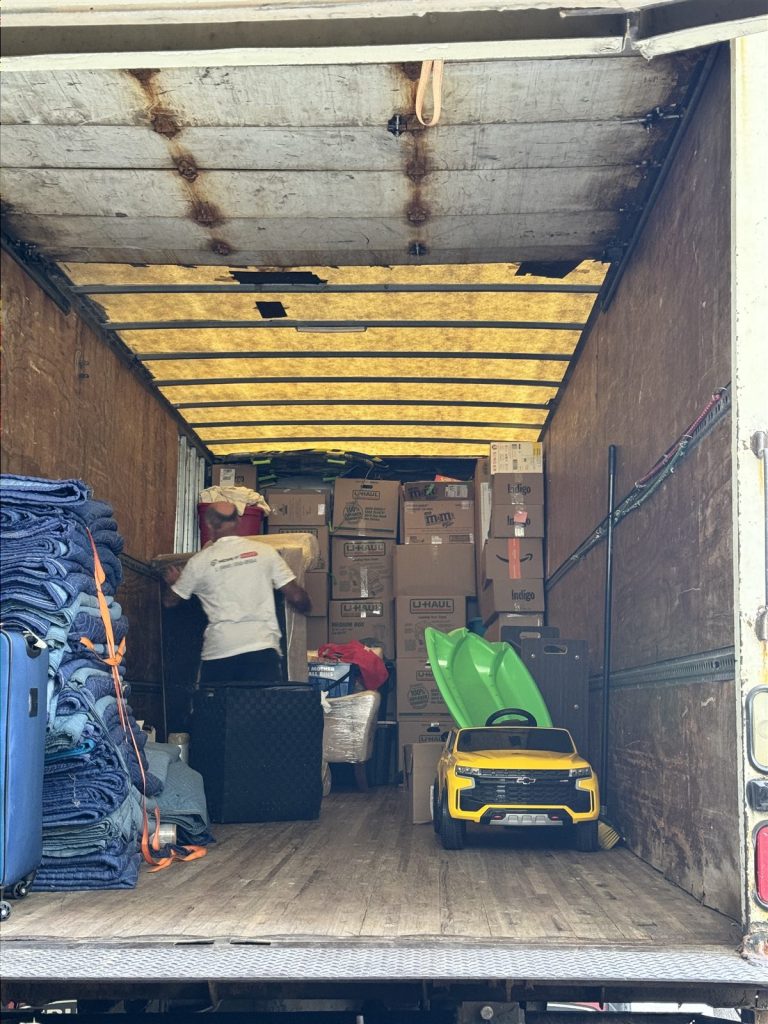
Not every move lines up perfectly between closing dates, and even when it does, sometimes you need to thin out the contents of a home before moving into a smaller space or staging it for sale. Storage is a normal part of the moving process for a lot of GTA households, and understanding your options ahead of time will save you money and stress.
In this article
When storage makes sense during a move
The most common reason is a gap between possession dates. Your old home closes on one date, your new one closes a week or two later. Rather than coordinating a hotel stay with all your furniture, a short storage stint keeps everything accessible without adding chaos.
Other common situations include staging a home for sale (you need less furniture in rooms for photos and showings), downsizing to a smaller space and not being ready to part with certain items, or doing renovations in the new home before you actually move in. All of these are cases where having a clear storage plan matters.
Did you know?
Storage unit rental rates in the GTA vary significantly by location and season. Units within Toronto proper can run 30 to 50 percent higher than comparable units in Mississauga, Brampton, or Pickering. If you have flexibility on location and a vehicle to access the unit, pricing storage outside the city can add up to real savings over a few months.
Short-term storage options
Self-storage units (month-to-month)
Month-to-month self-storage is the most flexible option for moves with a known end date. You book the unit, load it yourself or with movers, and access it whenever you need to. Units in the GTA range from small lockers (5×5 feet) to large drive-up units (10×20 feet or bigger). Pricing in 2026 runs from around $80 to $150 per month for a small unit and $200 to $400 per month for a full household-sized unit, depending on location and climate control.
Portable storage containers
Companies like PODS or 1-800-PACK-RAT deliver a container to your driveway, you load it at your own pace, and they pick it up and store it at their facility. You can have it delivered again at your new address when you are ready. This is a good option when you want to spread the loading process over a few days rather than doing everything on one moving day. The tradeoff is cost, which is typically higher than self-storage for the same volume.
Mover-provided storage
Some moving companies, including Move It Right, can hold your items between moves when timing does not line up. We load your belongings, store them securely, and deliver them when you are ready for the second leg of the move. This is convenient because your items only need to be handled twice total rather than being moved to a storage facility and then moved again.
Long-term storage options
If you are looking at storing things for 3 months or longer, a few things change in how you should approach the decision.
Climate-controlled storage matters more for extended periods. Wood furniture, electronics, artwork, musical instruments, and anything with fabric or leather can be damaged by temperature and humidity swings over several months. Paying the premium for climate control on a long-term unit is usually worth it for valuable or sensitive items.
For items you do not need regular access to, a facility farther from the city often makes financial sense. Monthly rates can be 30 to 50 percent lower in suburban or semi-rural locations compared to Toronto proper. If you are storing furniture and boxes you will not touch for 6 months, the inconvenience of driving a bit further to access the unit costs you very little.
Short-term vs long-term: what to consider
| Factor | Short-term (1 to 8 weeks) | Long-term (3 months+) |
|---|---|---|
| Price sensitivity | Location matters less | Shop around; suburban saves money |
| Climate control | Optional for most items | Worth it for wood, fabric, electronics |
| Insurance | Check homeowners policy | Get facility or tenant insurance |
| Packing | Standard moving boxes fine | Seal everything; use moisture absorbers |
What not to put in storage
Storage facilities have clear restrictions, and beyond the rules there are some items that simply do not survive storage well regardless of what is permitted.
- Perishable food: Anything that can rot, attract pests, or leak belongs out of the unit entirely.
- Hazardous materials: Paint, propane tanks, gasoline, pesticides, and similar items are not permitted in any licensed facility.
- Plants: They will not survive without light and ventilation, and they can attract insects.
- Important documents: Passports, wills, financial records, and similar documents should stay with you, not in a storage unit.
- Cash, jewelry, and valuables: Storage units are secure but they are not a substitute for a safe or a safe deposit box.
People often ask: does my home insurance cover items in storage?
Many home insurance policies extend limited coverage to belongings temporarily in a storage unit, typically up to 10 percent of your total personal property coverage. But this varies by insurer and policy, and there are often restrictions on what qualifies. Check with your insurer before relying on this coverage, and consider adding tenant or storage insurance for items in long-term storage.
Practical storage tips
Pro tip
Create a simple inventory list of what is in each box and photograph larger items before they go into storage. This takes 20 minutes when you are loading and saves hours when you are trying to find something specific later. It is also useful documentation if you ever need to make an insurance claim.
- Store frequently needed items near the front of the unit, not buried behind everything else.
- Leave an aisle through the middle of larger units so you can reach things without unloading everything.
- Wrap wood furniture legs and corners to prevent scratching during loading and retrieval.
- Use wardrobe boxes for hanging clothes rather than folding and boxing everything.
- Label every box on the side, not just the top, so you can read labels when boxes are stacked.
Frequently asked questions
How much does a storage unit cost in Toronto in 2026?
A small unit (5×5 or 5×10) runs roughly $80 to $150 per month for non-climate-controlled and $120 to $200 for climate-controlled in Toronto. A 10×10 unit typically runs $150 to $250 per month. Larger units (10×20 or 10×30) for a full household run $250 to $450 depending on location and amenities. Rates outside the city are generally 30 to 50 percent lower.
Can movers deliver to a storage unit?
Yes. Move It Right can deliver to any self-storage facility that allows moving truck access, which most do. If your unit has drive-up access, the process is straightforward. If the unit is in an indoor facility with elevators, let us know when you book so we can plan for the extra time involved.
How do I know what size storage unit I need?
A useful rough guide: a 5×10 holds the contents of a large bedroom or a studio apartment. A 10×10 holds a 1 to 2 bedroom apartment’s worth of furniture. A 10×20 holds a full 3-bedroom house. If you are unsure, go one size up. The cost difference is usually modest and running out of space partway through loading is genuinely frustrating.
Move It Right can handle the moving side of your storage plan, including storage pickups and deliveries across the GTA. Call us at 1 (866) 558-8564 or book online.
Storage is quoted with the move rather than separately. See storage services for short-term, long-term and in-transit options, and long-distance moving if the gap is between provinces rather than between closings.